Street Fashion Typeface for Bold Web Design
In the world of web design, typography is more than just a visual element—it’s a strategic tool that shapes brand perception, guides user behavior, and enhances digital readability. Choosing the right font can make or break a layout, especially when it comes to making an impression. Street Fashion, a stylish blackletter typeface, brings a fresh energy to modern digital projects with its graffiti-inspired edge and urban flair.
What Makes Street Fashion Unique?
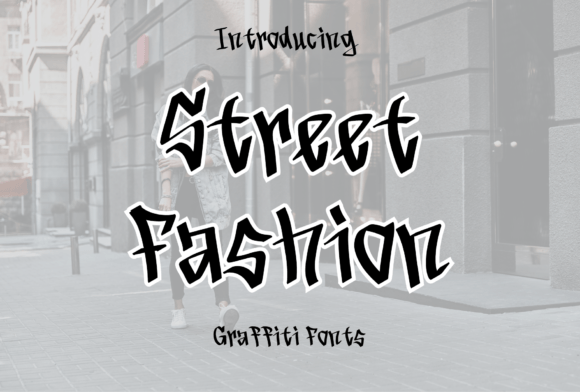
Street Fashion stands out as a bold and expressive blackletter font. It blends traditional calligraphic elements with contemporary street art sensibilities, resulting in a unique character that feels both authentic and refined. The sharp angles, fluid strokes, and strong contrast give it a dynamic presence, perfect for designers who want to add a sense of rebellion, creativity, or urban culture to their work.
This font has a distinct personality—think of it as the voice of a city at night, where walls speak louder than words. Its thick, dark letterforms are ideal for display use, while subtle alternates offer variety without sacrificing legibility. Whether you're crafting a hero section, designing a t-shirt template for your online store, or building a portfolio site for a mural artist, Street Fashion delivers a punchy visual statement.
Where to Use Street Fashion in Digital Projects
- Hero Sections: With its commanding presence, Street Fashion works exceptionally well in hero areas of websites and landing pages. It captures attention instantly and sets the tone for the rest of the content.
- Section Headings: For creative blogs or editorial-style sites, using this font for subheadings adds a touch of originality and helps break up long blocks of text.
- Call-to-Action Buttons: Short phrases like "Shop Now" or "Join the Movement" become far more compelling when styled with Street Fashion. Its edgy vibe aligns perfectly with high-energy CTAs.
- Logo Text: If your brand identity leans into urban culture, fashion, or lifestyle niches, consider integrating Street Fashion into your logo design. Just be sure to pair it with simpler supporting fonts for balance.
- Decorative Accents: This font also shines in smaller doses—use it for sidebars, footers, or even background textures to inject style without overwhelming the user experience.
Real-World Applications
Imagine a boutique clothing brand launching a new collection. A landing page featuring Street Fashion in the headline and key product titles could immediately connect with a younger, trend-conscious audience. The same applies to a digital course about graphic design, street art, or personal branding—using this font in headers and title cards reinforces the theme and builds engagement.
For UI designers working on mobile-first interfaces, Street Fashion can elevate buttons and banners without compromising clarity. On larger screens, it can anchor entire sections; on smaller ones, it maintains impact when used sparingly. In e-commerce, pairing it with minimalist sans serif fonts in body copy ensures that product descriptions remain clean and easy to read while the brand message remains bold and memorable.
Readability and Visual Hierarchy Tips
While Street Fashion is visually striking, it's important to use it wisely to maintain readability. Here are some practical tips:
- Mobile Screens: Keep line lengths short and use larger font sizes (minimum 18px) for optimal legibility. Avoid using it for dense paragraphs.
- Dark Backgrounds: Street Fashion’s high contrast makes it pop against dark themes. Consider lightening the color slightly for better accessibility.
- Light Backgrounds: Maintain its depth by using darker shades of the font. This ensures it doesn’t get lost in bright environments.
- Image Overlays: When adding text over images, especially in social media graphics or banners, ensure there’s enough padding and background contrast to keep the text readable.
Use it in short bursts—like headlines, logos, and key phrases—to preserve the rhythm of your layout. Too much can feel cluttered, so balance is key. Think of it as a feature font rather than a primary one: let it shine where it matters most and fall back on cleaner typefaces for the supporting content.
Font Pairing for a Balanced Design
Street Fashion pairs best with modern sans serif fonts such as Montserrat, Poppins, or Inter. These neutral companions allow the blackletter to take center stage while ensuring body text remains scannable and accessible. Alternatively, for a more editorial or artistic tone, try combining it with a sleek serif font like Lora or Playfair Display.
A great rule of thumb is to match the personality of your supporting fonts with the context. For example, if you’re creating a blog header with Street Fashion, a simple, elegant serif might enhance the storytelling aspect. But for a SaaS landing page, a clean sans serif will help maintain professionalism while still allowing the display font to stand out.
Brand Identity and User Engagement
Fonts play a critical role in shaping how users perceive your brand. Street Fashion is not just a decorative asset—it communicates confidence, creativity, and a connection to street culture. It’s particularly effective for brands targeting youth demographics, artists, or niche communities looking for authenticity in their digital presence.
Using this font consistently across your design assets—website headers, email templates, social media posts, and packaging—helps build a cohesive brand identity. Users start to recognize the typographic language you're speaking, which increases trust and familiarity. However, always consider the emotional weight it carries. It may not be suitable for formal or corporate contexts but thrives in environments that embrace boldness and individuality.
Commercial Licensing and Project Use
If you plan to use Street Fashion in client projects, online stores, or commercial digital products, be sure to check the licensing terms. Many premium fonts require specific licenses for web embedding, app development, or print-on-demand items like mugs and t-shirts. Always confirm whether the font includes webfont formats such as WOFF or TTF and whether multilingual support is available if your project targets international audiences.
From a legal standpoint, using a commercial font ensures you’re protecting yourself and your clients from potential copyright issues. As a designer, investing in quality typefaces like Street Fashion isn't just about aesthetics—it's about delivering professional, scalable design solutions that perform across platforms and mediums.
Designing with Purpose
When incorporating Street Fashion into your layouts, focus on purpose. Ask yourself: does this font serve the brand? Does it guide the user effectively? Does it add value to the visual hierarchy?
For instance, on a product landing page selling limited-edition streetwear, using Street Fashion in the hero headline and CTA buttons can create a unified look that mirrors the product itself. Or on a portfolio site for a street artist, the font becomes part of the narrative, helping tell the story of the creator’s style and vision.
Its versatility extends beyond websites. You can also use it in email campaigns, PDF brochures, video intros, and even in print materials like stickers or posters. Just remember that its ornate nature means it should never be the only font in your system. Let it coexist with other styles to maintain balance and usability.
Optimizing for Responsive Layouts
In responsive web design, Street Fashion holds up well across devices, but needs careful handling to avoid scaling issues. Test it at different breakpoints to ensure it retains its shape and impact on tablets and phones. Use CSS techniques like clamp() or relative units to adjust font size dynamically based on screen width.
Also, pay attention to spacing and alignment. Because blackletter fonts have a lot of negative space and complex structures, they can appear uneven or misaligned if not properly adjusted. Using tools like Google Fonts or Adobe Fonts can help manage responsiveness and performance efficiently, especially if the font offers variable weights or alternates.
Conclusion-Focused Typography
Typography is often underestimated in conversion-focused layouts. Yet, a well-chosen font like Street Fashion can influence user behavior subtly but powerfully. Its strong visual appeal draws eyes to key messages, helping users scan and engage more effectively. When used strategically, it can increase dwell time, reduce bounce rates, and improve overall brand recall.
Whether you're building a brand-focused website, a digital storefront, or a creative landing page, Street Fashion gives you a powerful typographic tool to express your message with style. Just remember to use it with intention and pair it with complementary fonts to ensure clarity and consistency.
Final Notes on Font Selection
Choosing the right font is about understanding your audience and your goals. Street Fashion is not a one-size-fits-all solution, but for the right project, it’s a standout choice. It’s especially valuable in environments where creativity and cultural relevance matter most—like fashion blogs, streetwear shops, or digital experiences centered around art and self-expression.
Always evaluate how a font behaves in real-world scenarios before finalizing a design. Try it in mockups, test it on multiple devices, and consider its emotional impact. Street Fashion, with its urban edge and typographic elegance, is a font that speaks volumes when used correctly.